What we have here is an example of how pro wrestling used to work, especially in regards to the WWE. The interview segments are absolutely classic, and show how emotions combined with improv-acting can set up the story along with the match itself.
What we have here is an example of how pro wrestling used to work, especially in regards to the WWE. The interview segments are absolutely classic, and show how emotions combined with improv-acting can set up the story along with the match itself.

As the holiday sales season kicks into high gear, we learn about some cool things in the technology sphere as well as an update in regards to an earlier podcast episode.
Hopefully, this week’s links will help blast things off for the most intense part of the year. For those who are studying for finals in college and/or going through finals week, we at The *Nixed Report wish you all the best of luck. Happy studies.
Unix
Overlooked Pop Culture
Thomas Holbrook II | The *Nixed Report
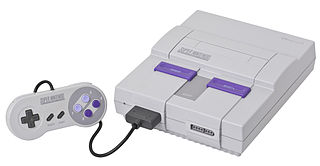
Growing up, we all had our favorite past times. Some played baseball, while others played video games. My favorite activity revolved around the latter, and one of my favorite consoles was the Super Nintendo Entertainment System.
Final Fantasy Mystic Quest, The Legend of Zelda: A Link to the Past, Super Metroid, and Super Castlevania IV were among my favorite games. The bad news is that the older the hardware becomes, the more likely it is to fail.
This is where emulation comes into play.
As it turns out, most console emulators will only be just accurate enough for the games to be playable. According to Byuu, who wrote quite an informative piece on Ars Technica:
These days, the most dominant emulators are Nestopia and Nintendulator, requiring 800MHz and 1.6GHz, respectively, to attain full speed. The need for speed isn’t because the emulators aren’t well optimized: it’s because they are a far more faithful recreation of the original NES hardware in software.
Now compare these to the older N64 emulator, UltraHLE, whose system requirements were a meager 350MHz Pentium II system. To the casual observer, it can be quite perplexing to see Mario 64 requiring less processing power than the original Mario Bros.
My experience in emulation is in the SNES field, working on the bsnes emulator. I adored the ideal behind Nestopia, and wanted to recreate this level of accuracy for the Super Nintendo. As it turns out, the same level of dedication to accuracy pushed requirements up into the 2-3GHz range, depending on the title.
Considering the hardware inside the SNES, requiring a high end computer makes sense. After all, one is mimicking an entire system in software. Byuu has since merged bsnes into a new project.
This week is going to be hectic for those working retail, and with a recent decision in a lawsuit, things may be heating up in that sector. This week’s links cover the thankfulness of old machines that can be brought back to life as well as a few other links worth checking out.
Unix
Overlooked Pop Culture

Thomas Holbrook II | The *Nixed Report
I remember watching Mighty Morphin Power Rangers growing up. My favorite ranger was Tommy Oliver. As the Green Ranger, he had a unique look as well as a weapon that set him apart from his team members.
Everyone else had adjustable laser pistols strapped to them, while he had the dagger that could summon the Dragonzord. His shield could be transferred to another ranger for extra protection, and his fighting skills were something to behold.
So this Throwback Thursday is dedicated to the Green Ranger, and the person who played him.
Note: Image and multimedia utilized under Fair Use.
In one week, we’ll be having Thanksgiving. We go old school on the technology side of things, take a satirical look at a popular form of food, and delve into our inner geek a little bit.
Unix
Overlooked Pop Culture
Thomas Holbrook II | The *Nixed Report
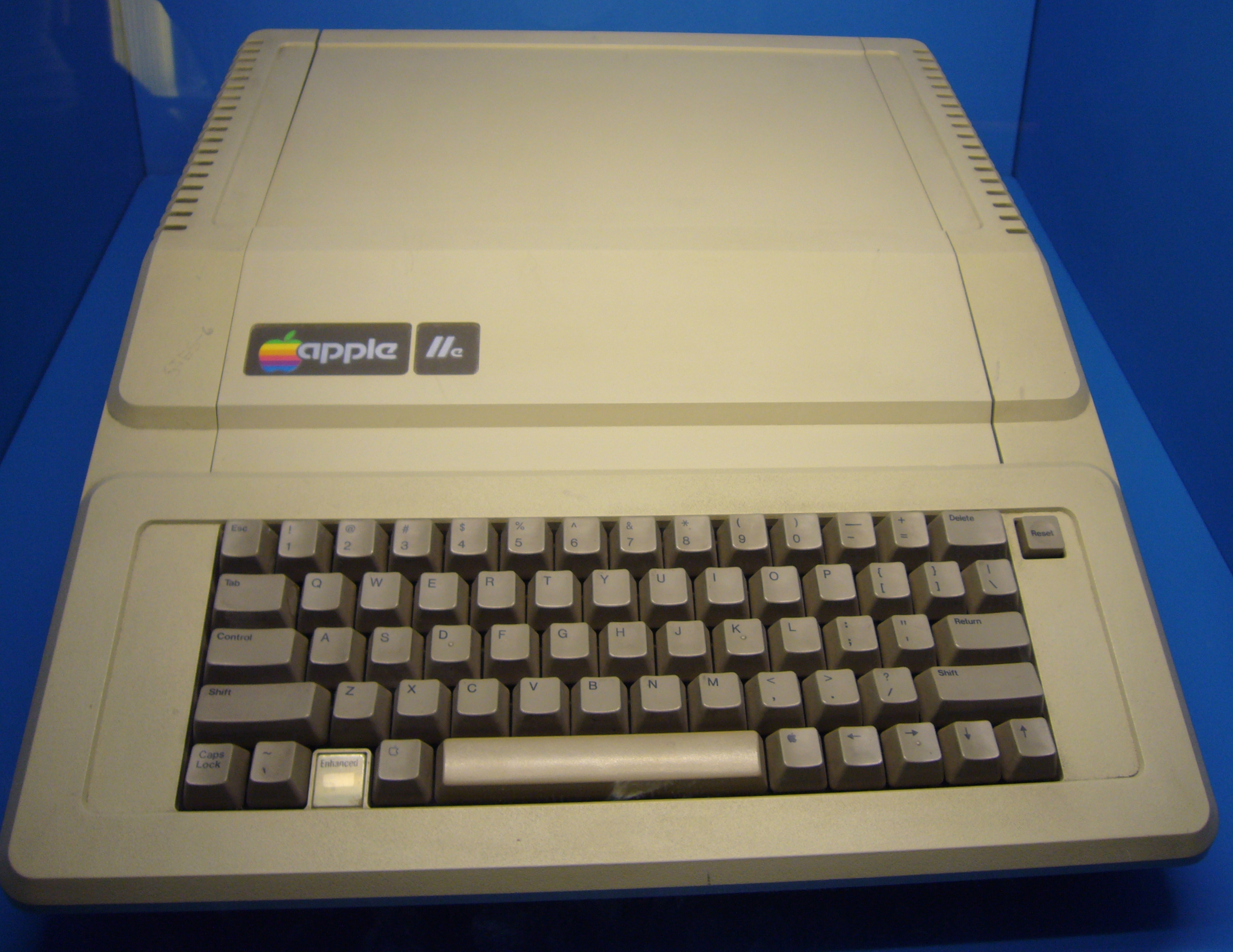
For those who remember the old days of Apple, where a rainbow colored fruit was their logo, there is now a chance to reminisce in a new way. The source code of version 3.1 of Apple DOS was released.
As reported by The Register, there’s over 4,000 lines of code. More information as available through the Computer History Museum and Paul Laughton, the developer of the operating system.
Welcome back to Wednesday Weekly Links, where we scour the Internet and other sources for news items that are often overlooked. This week, we focus on innovation in computer software and a change at a major software company as well as pro wrestling, a government agency, and a really strange 911 call.
Unix
Overlooked Pop Culture